Alex’s Chronic Bloating & Post-travel Gut Dysfunction Story
From Post-Travel Gut Chaos to Clarity and a Clear Plan Forward
Book a free 30 min Nutritional ChatDoctors Said ‘Everything’s Normal’ — His Gut Said Otherwise
Alex’s digestive symptoms didn’t creep in slowly — they escalated suddenly and dramatically.
After spending two and a half weeks in Nairobi, Alex returned home and immediately became unwell. Within days, he developed acute diarrhoea that lasted for three days, followed by severe bloating that never fully resolved.
Concerned, he did exactly what most people would do: he went to his GP.
Over the following weeks, Alex underwent multiple NHS investigations:
- Stool culture testing (which came back negative)
- A stool blood test that detected microscopic blood
- An urgent referral for a colonoscopy
During the colonoscopy, two polyps were removed and eight biopsies were taken. At the time of his call with Hannah, he was still waiting for the biopsy results.
Despite all of this testing and invasive investigation, Alex was left with:
- No explanation for his ongoing bloating
- No diagnosis that made sense of his symptoms
- No treatment plan
- No guidance on how to repair his gut
“I’d done everything right,” Alex explained. “But I still felt bloated, uncomfortable, and completely in the dark.”
The Problem Didn’t Start in Africa — It Was Exposed There
As Alex began talking through his full health history, an important pattern emerged.
While his symptoms worsened significantly after travel, they hadn’t started there.
For over a year prior, Alex had been experiencing:
- Intermittent bloating
- Increasing digestive instability
- Subtle changes in bowel habits
Historically, Alex had very regular digestion — passing stools one to three times per day. In the months leading up to his trip, this shifted toward constipation and irregular bowel movements, something that was completely new for him.
The Africa trip didn’t create the problem — it pushed an already vulnerable gut into dysfunction.
This insight alone was a turning point.
A Classic Gut Dysbiosis Picture (Even When Tests Look “Normal”)
On paper, Alex’s test results didn’t raise many red flags. But his symptom picture told a very different story.
Digestive Symptoms
- Persistent lower abdominal bloating
- New-onset constipation
- Intermittent acid reflux
Fermentation-style symptoms:
- Small involuntary burps
- Hiccup-like air releases
- Chronic halitosis (“breath smells like poo”) for around a year
- Occasional nausea
Wider Body Clues
- Chronic rhinitis since childhood (suggesting long-standing immune and mucosal involvement)
- Snoring and heavy breathing at night
- Right shoulder inflammation (often linked to liver and gallbladder congestion in functional models)
- Fluctuating energy levels — not exhausted, but never quite optimal
This is exactly the kind of case where conventional medicine struggles: symptoms are real, persistent, and disruptive — yet don’t neatly fit into a single diagnosis.
Why Hannah’s Approach Was the Missing Piece
During the consultation, Hannah explained why symptom suppression alone would never resolve Alex’s bloating — and how a root-cause approach could.
Advanced Functional Microbiome Testing
Rather than guessing, Hannah recommended comprehensive stool testing (Meta Explore) to assess:
- Parasites
- Pathogenic bacteria
- Methane- and histamine-producing microbes
- Oral bacteria colonising the gut
- Overall bacterial diversity and balance
- Which organisms were dominating too much “space” in Alex’s microbiome
The Gut–Brain Axis Connection
Hannah also helped Alex understand how:
- Chronic stress can suppress stomach acid
- Low stomach acid increases fermentation
- Fermentation drives bloating, reflux, and dysbiosis
- Nervous system tone directly affects digestion and gut motility
For the first time, Alex could see how his symptoms were connected — not random.
A Structured 12-Week Gut Repair Program
Instead of another vague “gut health plan,” Hannah outlined a clear, personalised process:
- Weekly 1:1 Zoom sessions
- Daily temperature and pulse tracking
- Food used strategically as medicine, not generic restriction
- Supplements only where testing confirmed they were necessary
- Ongoing WhatsApp support for accountability and reassurance
- Organ-based assessment to explore links between digestion, liver function, and inflammation
This wasn’t about managing symptoms — it was about fixing the system underneath them.
The Emotional Turning Point
By the end of the call, Alex was visibly relieved.
He spoke openly about feeling:
- Confused
- Medically dismissed
- Frustrated by the lack of answers
- Anxious about serious disease, including cancer
Despite extensive testing, he had been left in diagnostic limbo.
What Alex was really looking for wasn’t another test — it was leadership.
A practitioner who could:
- Make sense of the symptoms
- Explain why his gut was behaving this way
- Provide a structured, step-by-step plan
- Offer reassurance without minimising his concerns
As Alex put it, he felt like he was finally “placing himself in the right hands.”
Alex's Next Step
Alex chose to move forward with Hannah’s full gut repair programme, beginning with advanced microbiome testing to uncover the true drivers of his bloating and digestive dysfunction.
His journey toward healing had finally begun — not with more guesswork, but with clarity, data, and a personalised plan.
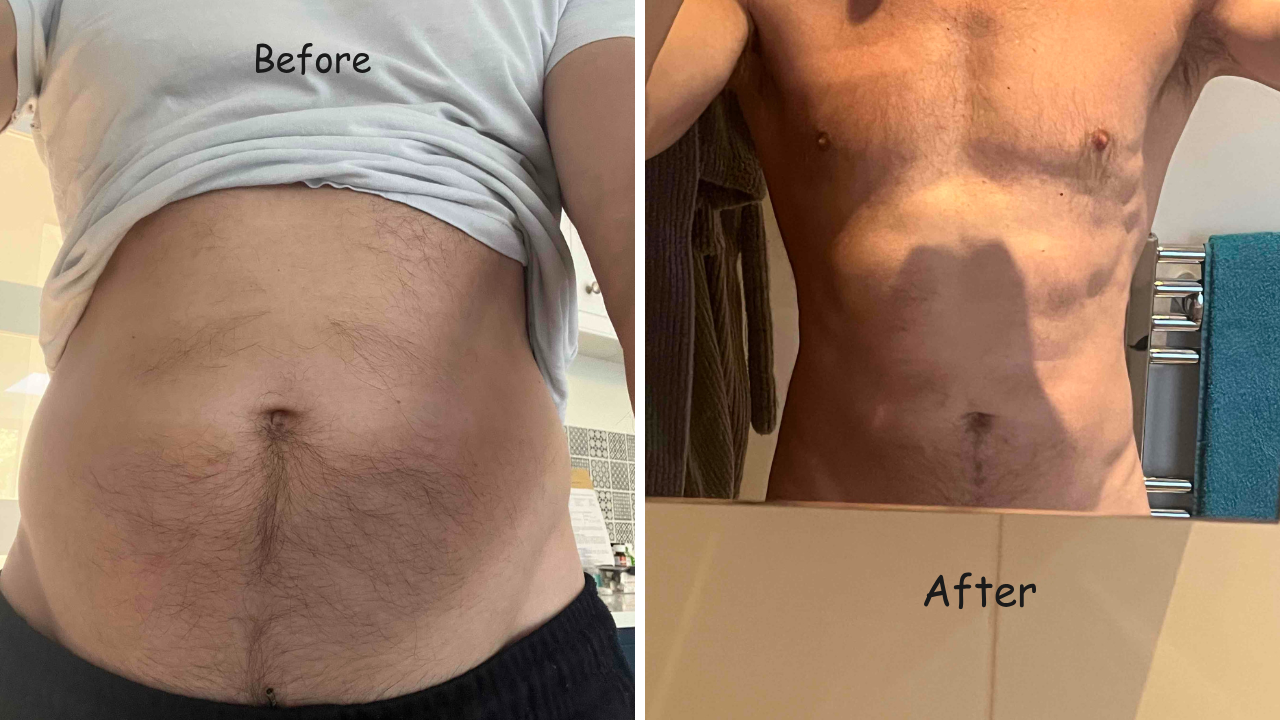
Sound familiar?
If you’ve been told “everything looks normal” — but your gut clearly isn’t — Alex’s story may sound familiar.
If you’ve done “all the right things” and still don’t feel better — this is for you.
Many of my clients come to me after years of unexplained gut symptoms, confusion, and frustration.
A free 30-minute nutritional chat gives you space to be heard, ask questions, and find out whether a personalised gut repair approach could help you move forward.
Book a Free Nutritional Chat